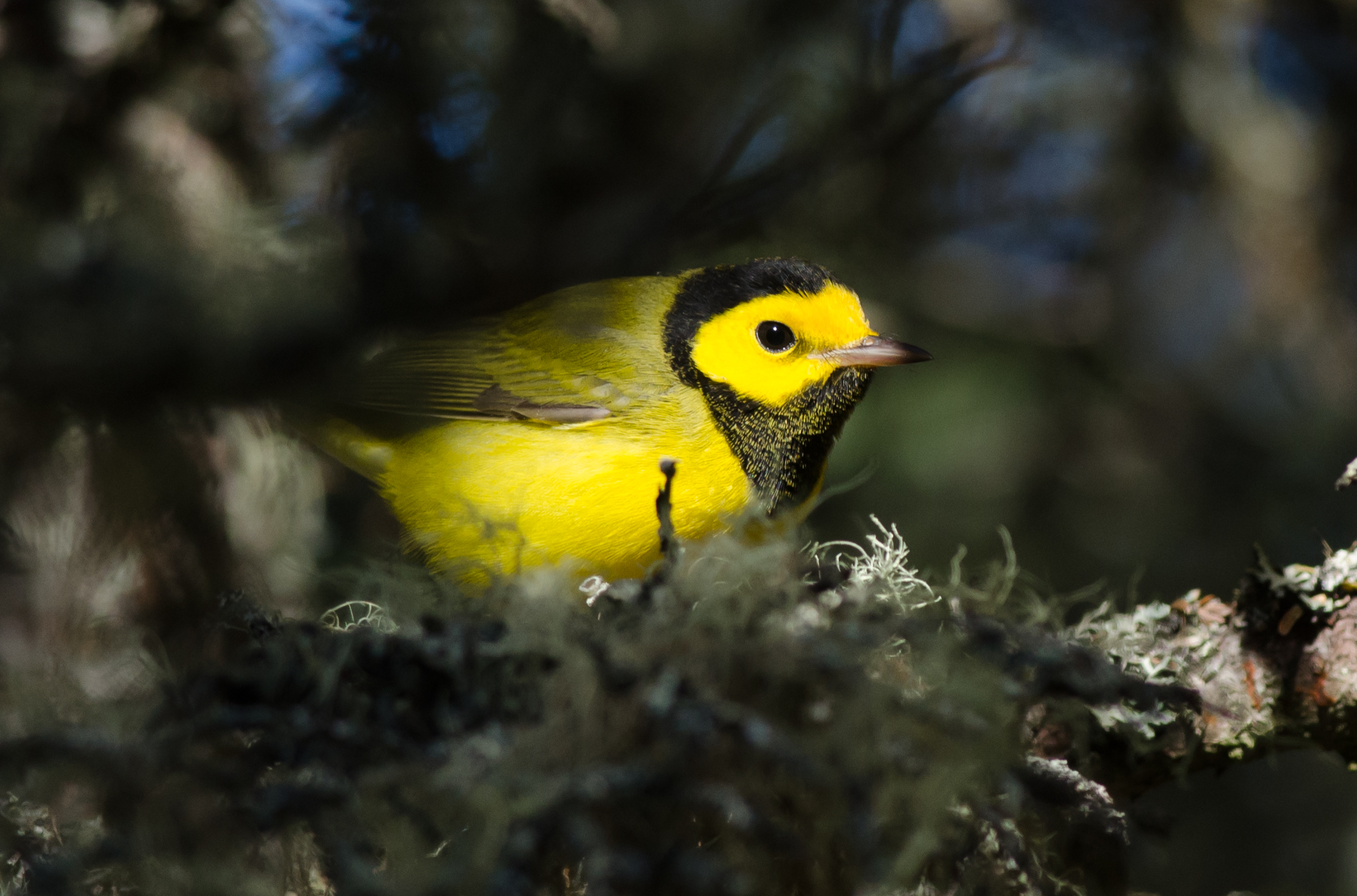
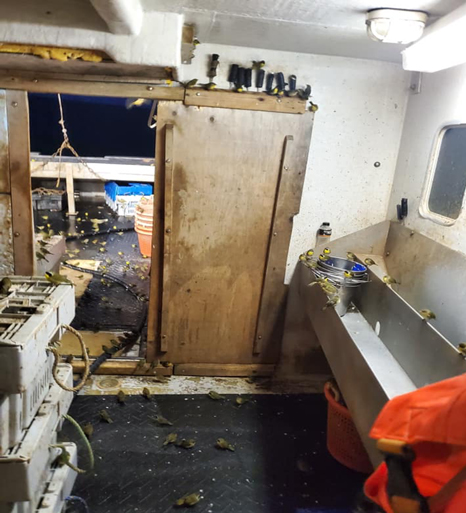
On the morning of October 28, 2017, I walked out to my acoustic monitoring station to download the recording of nocturnal bird migration from the night before. After running the file through bird-call detection software, to my surprise, the device heard three Magnolia Warblers: one at 9:15 PM, another at 10:55 PM, and the third at 4:04 AM. The peak autumn migration of this species is in August and September, so detecting one this late was highly unusual, and even more so for 3! As the day progressed, it became apparent that a massive bird fallout was underway. From October 26 to November 30, Nova Scotia birders saw a total of 2,067 birds that would have migrated out of the province weeks or months earlier, and hundreds of them were species that occur only infrequently in this province.
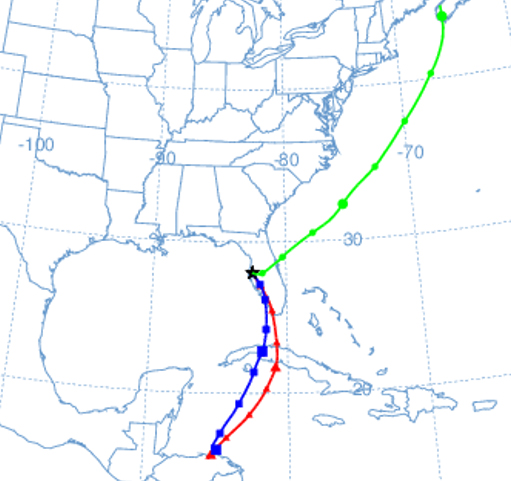
A weather analysis conducted by birders and published in Nova Scotia Birds magazine showed that the fallout was due to a severe cold front passing over the southeastern United States, which drove the birds out to sea (d’Entremont and Kearney 2018b). A wind model, known as the HYSPLIT model (Stein et al. 2015), indicated that the birds that ended up in Nova Scotia were trapped in thunderstorm updrafts in Tampa, Florida, and carried out to sea, becoming entrained in strong southwesterly winds at 1,500 meters.
We don’t know how many birds perished during the 2017 fallout. However, having to refuel when insect numbers were much lower and with a partially depleted berry crop from the earlier migration period, these birds likely experienced sublethal health effects.
In contrast, two powerful, extratropical cyclones (or lows) in March of 2018 resulted in the death of 58 herons and egrets on Sable Island (d’Entremont and Kearney 2018a). The strong winds entrained the birds in the “eyes” of these two storms, which they could not escape until they reached Nova Scotia. A necropsy report confirmed that they had died from emaciation after landing on Sable Island.
Of course, birds have had to deal with hurricanes and other severe weather for millennia, but their coping mechanisms are an understudied field of research.
Pelagic birds will fly into the eye of the hurricane to avoid dangerous winds.
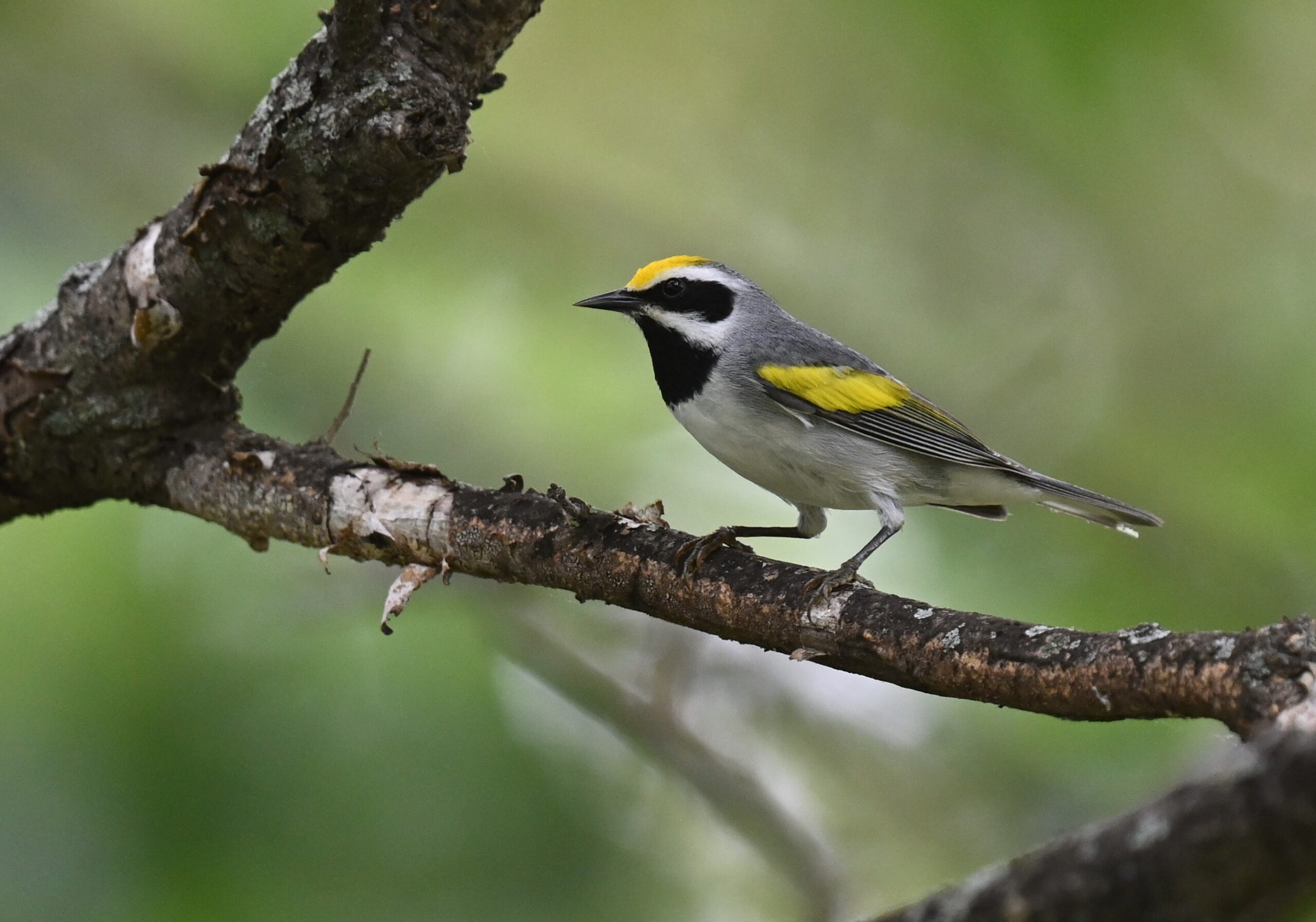
Golden-winged Warblers, Vermivora chrysoptera, in their breeding habitat predicted the approach of severe thunderstorms and tornadoes more than 24 hours before storm arrival, and even before there were meteorological indicators in their environment. The birds undertook a 700-kilometre escape, essentially reversing the last leg of their spring migration route from the Gulf of Mexico, before returning to their breeding grounds five to six days later to resume breeding. It appears the birds made this decision by perceiving the infrasound (sound below the level of human hearing) produced by tornadic storms, which can travel thousands of kilometres (Streby et al. 2015).
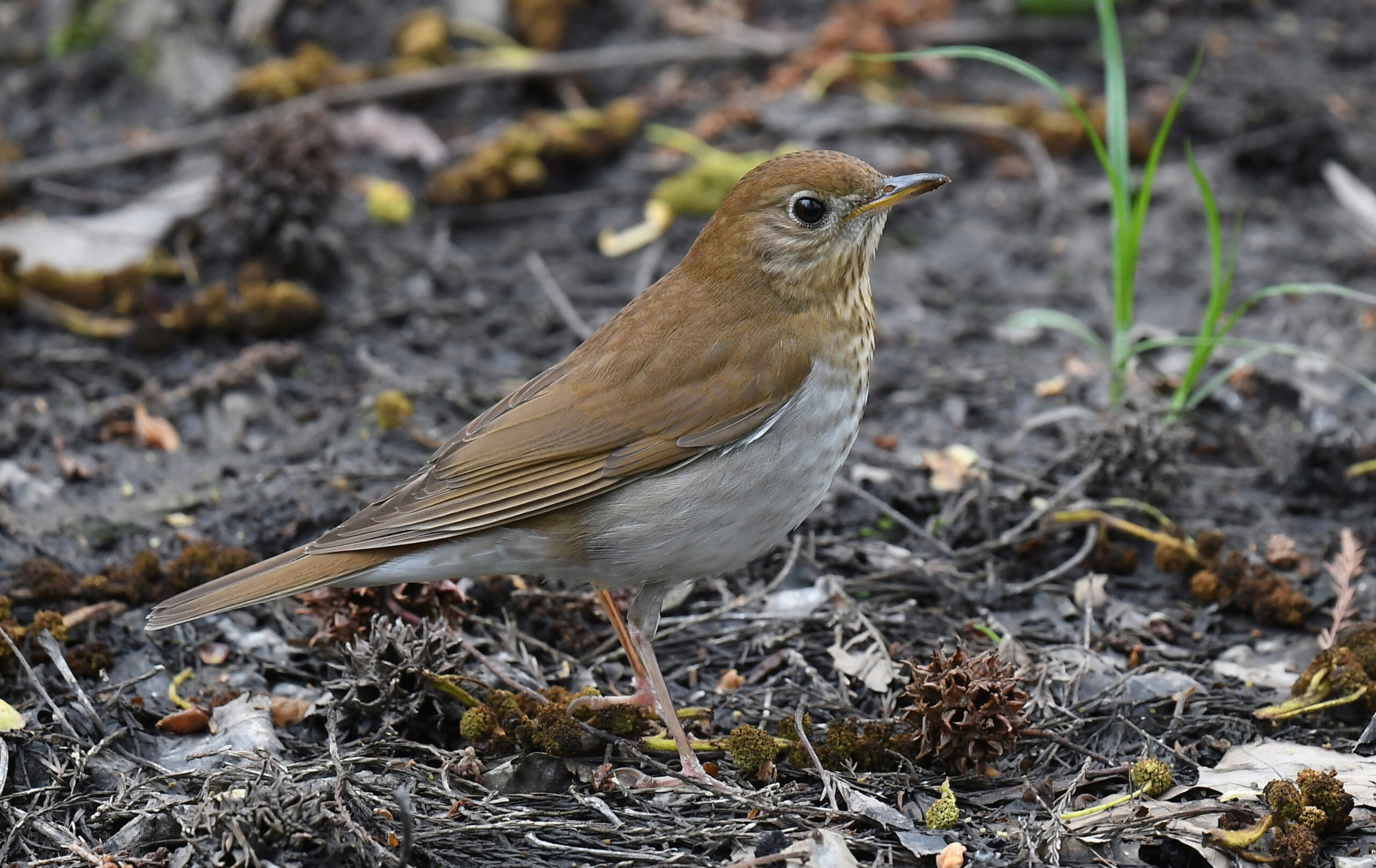
The initiation of egg laying and clutch size in the Veery (Catharus fuscescens) are predictors of the Accumulated Cyclone Energy index, which measures the strength and duration of all named storms during the hurricane season. The Veery begins laying eggs earlier in May and produces more eggs in high-activity and strong hurricane seasons. In fact, the Veery predictions are more accurate than meteorological predictions made in advance of the hurricane season (Heckscher 2018). Thus, in high-activity hurricane seasons, birds begin migrating earlier, and in low-activity seasons they migrate later and may even initiate a second brood. The Veery may receive cues about next year’s hurricane season from rainfall amounts in their winter range in the lower Amazon Basin, which are related to the cycles of El Niño and La Niña.
Future research may show that other migratory birds predict hurricane activity. However, it is important to note that these predictions only mitigate risk rather than eliminating it. The increasing frequency and intensity of hurricanes driven by climate change may make migration even riskier.
In fact, there is increasing evidence that severe weather results in declining population health and size through increased mortality and sublethal effects.
Hurricane Wilma in 2005 caused a 50% decline in the population of Chimney Swifts (Chaetura pelagica) in Quebec and likely had a similar effect in the Maritimes (Dionne et al. 2008).
A late winter storm in Texas and Louisiana in 2021 killed as much as 27% of the population of Purple Martins (Progne subis) upon their arrival at breeding colonies. Their recovery may take decades (Stager et al. 2026).
A study of the diet of Tiger Sharks (Galeocerdo cuvier) in the Gulf of Mexico found that 39% of the sharks had stomachs containing songbirds. Severe weather left the birds exhausted and dropping to their deaths into the water, where they were preyed upon by sharks (Druymon et al. 2019). A paper on the annual mortality of Black-throated Blue Warblers (Setophaga caerulescens) showed that 85% occurred outside of the breeding season (Sillett and Holmes 2002). Such a high rate suggests to researchers that severe weather is an important factor in mortality rates.
As I write this blog post, two new climate stories concerning birds have come into my inbox. One is about an influx of emaciated, dead seabirds washing up on California beaches due to an extreme marine heat wave. The other is a lightning-ignited forest fire in Wood Buffalo National Park, which straddles the Alberta/Northwest Territories border and encompasses most of the remaining breeding habitat of the endangered Whooping Crane (Grus americana) (Baicich and Petersen 2026).
I will now summarize two scientific papers that provide empirical evidence on the effects of severe weather on avian physiology.
First, I return to the case study of how the Veery can predict a high-activity hurricane season. A follow-up study (Heckscher et al. 2025) described the effects of different hurricane seasons over 23 years on the body morphology and condition of female, male, and young Veeries. All birds were colour-marked. Measurements of wing chord length were the key measure of body morphology and body mass for condition. The researchers determined weather intensity using two indices: the Accumulated Cyclone Energy Index (ACE) (described earlier) and the Southern Oscillation Index (SOI), which measures barometric pressure differences associated with the El Niño-Southern Oscillation. Positive values in the SOI indicate La Niña years and increased storm activity. Longer wing chords indicate that Veeries are more aerodynamically suited for long over-water flights, and shorter wing-chords may require birds to take alternative inland routes in migration.
The study showed higher ACE and positive SOI years placed higher energy demands on birds during migration. The researchers found a smaller adult wing chord and higher body condition in returning birds after years with positive SOI (La Niña-type years). Adult females exhibited shorter wing chords and lower body condition in years with elevated ACE in September. Young birds had larger wing chords following stormy years, perhaps to enable long flights around storms, while returning young females had higher body condition after higher September and October ACE. The differing results across sex and age groups are likely due to differing spatial and temporal patterns of migration. The morphological and body condition effects of severe weather confirm that it can have fitness, survival, and reproductive consequences for Veeries. The study also confirms that increased severe weather stemming from climate change poses a threat to Veery populations.
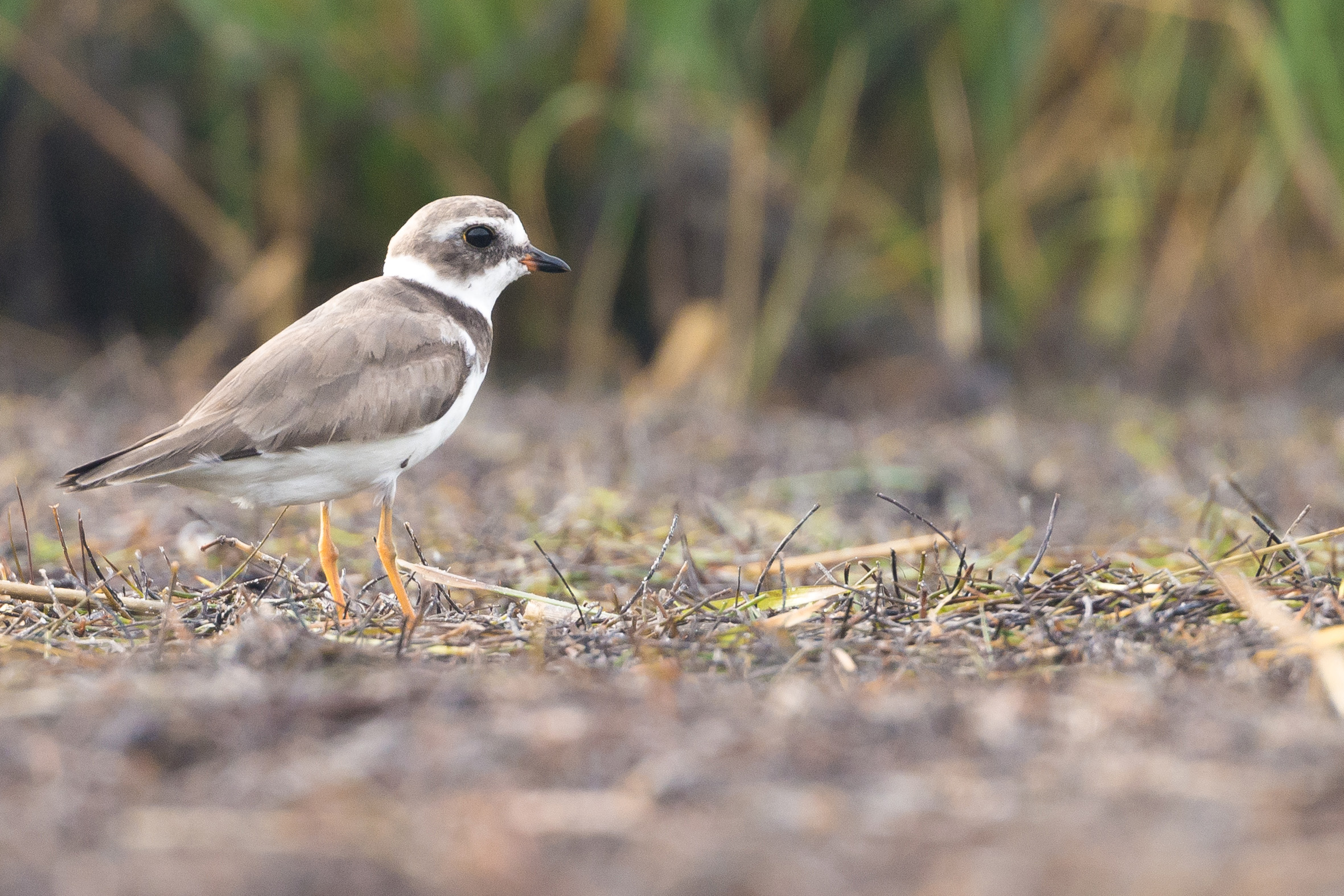
The second empirical study describes the physiological impact of Hurricane Fiona in late September 2022 on Semipalmated Plovers during their autumn stopover in the Northumberland Strait of New Brunswick (Fraser et al. 2025). Researchers were already conducting a study of Semipalmated Plovers and their body condition before Hurricane Fiona approached. The energy stores (fat and protein) are critical for their long flights, often over water, to wintering areas. The research team found that birds captured after the storm lost 78% of their fuel load compared to birds captured before the storm. At the same time, changes in coastal structure from the storm resulted in a 70% decline in food availability. Plovers experiencing the storm had to double their usual length of stay to recover enough stores to continue their migration. Many of the birds captured for study in late September and early October are juveniles making their first southbound migration. The sublethal physiological effects on these young birds could significantly affect Semipalmated Plover populations.
To conclude this blog post, I wish to draw on a very recent scientific paper to recommend actions Nova Scotians can take to mitigate the effects of severe weather on birds. The paper uses a citizen science database, eBird (eBird 2026), in combination with artificial intelligence, specifically deep reasoning neural networks, to analyze the effects of hurricanes on the northern coast of the Gulf of Mexico from 2015 to 2024 (Li et al. 2026). The authors showed that hurricanes significantly impact bird distributions by altering coastal habitats. The key findings indicate that the impact of storms on birds will intensify with ongoing climate change and sea level rise; that vulnerability differs among species groups; that the most vulnerable birds are shorebirds, urban scavengers, and migrating passerines; and that winter habitat quality is critical for species recovery after hurricanes. The authors present a comprehensive discussion of conservation planning tools to enhance the resilience of birds and coastal habitats to severe weather. Adapting their tools to the Nova Scotia context, I have constructed a list of actions to mitigate the effects of severe weather on birds and their habitats.
- Produce fine-scale maps of habitats that will remain suitable for birds after severe weather
- Identify resilient coastal and inland parcels
- Prioritize land acquisition in areas predicted to stay resilient
- Model displacement habitats for species of conservation concern
- Map areas most at risk
- Protect and restore winter refugia.
- Restore coastal forest structure
- Create fruiting shrublands and thicket fences for protection and food
- Expand saltmarsh restorations
- Create storm-resistant coastal habitat networks.
- Create multiple resilient habitats for protection and recovery as fallback sites and stepping stones
- Prioritize elevated marshes and shrub and tree swamps that will remain accessible during flooding and sea level rise
- Monitor post-storm bird movements and coastal structural changes
- Focus on previously identified most vulnerable species
- Report sightings to eBird
- Use eBird to track unusual movement
- Produce publications in the Nova Scotia Birds magazine and scientific journals to report findings
- Integrate all findings into protected areas expansion
- Target resilient habitats and refugia
- Incorporate displacement habitats for species of conservation concern
- Incorporate maps of species and coastal structure most at risk
I view this list as an initial attempt to develop a comprehensive management plan to protect birds and their coastal habitats in Nova Scotia from severe weather. Much more is needed to build on this outline and implement an effective plan. The Nova Scotia government’s failure to proclaim the Coastal Protection Act and its backsliding in creating high-quality protected areas are the exact opposite of the recommendations in the scientific literature. I hope this essay will guide us in reversing course and advancing our conservation efforts to create an environment more resilient to climate change, especially as it pertains to birds.
References
Baicich, Paul, and Wayne Petersen. 2026. “West Coast Die-offs and Whooping Crane Area Threatened.” Birding Community E-Bulletin (June, 2026). https://www.refugeassociation.org/birding-community-e-bulletin.
d’Entremont, Alix, and John Kearney. 2018a. “Heron & Egret Influx in Atlantic Canada, Spring 2018.” Nova Scotia Birds 60 (3): 23–28. https://www.johnfkearney.com/Reports/Heron%20and%20Egret%20Influx%20Spring%202018.pdf.
—. 2018b. “October 2017 Fallout.” Nova Scotia Birds 47 (1): 47–57. https://www.johnfkearney.com/Reports/October%202017%20Fallout.pdf.
Dionne, Mark, Céline Maurice, Jean Gauthier, and François Shaffer. 2008. “Impact of Hurricane Wilma on migrating birds: the case of the Chimney Swift.” The Wilson Journal of Ornithology 120 (4): 784–792. https://doi.org/10.1676/07-123.1.
Druymon, J.F., K. Feldheim, A.M.V.. Fournier, E.A. Seubert, A.E. Jefferson, M. Kroetz, and S.P. Powers. 2019. “Tiger sharks eat songbirds, scavenging a windfall of nutrients from the sky.” Ecology 00 (00): e02728. https://esajournals.onlinelibrary.wiley.com/doi/10.1002/ecy.2728.
eBird. 2026. “An Online Database of Bird Distribution and Abundance.” http://www.ebird.org.
Fraser, Sophia M., Devin R. de Zwaan, Hilary A. R. Mann, Julie Paquet, and Diana J. Hamilton. 2025. “Effects of severe weather on shorebirds: Evidence of disrupted refueling and delayed departure on southbound migration.” Ecosphere 16 (7): e70329. https://esajournals.onlinelibrary.wiley.com/doi/abs/10.1002/ecs2.70329.
Heckscher, C. M. 2018. “A Nearctic-Neotropical Migratory Songbird’s Nesting Phenology and Clutch Size are Predictors of Accumulated Cyclone Energy.” Sci Rep 8 (1): 9899. . https://www.nature.com/articles/s41598-018-28302-3.
Heckscher, Christopher M., Tahira Mohyuddin, and Lori A. Lester. 2025. “Severe en route tropical weather is a predictor of morphological variation and body condition of a Nearctic-Neotropical migratory songbird.” Scientific Reports 15 (1): 25864. https://doi.org/10.1038/s41598-025-11395-y.
Li, Liying, Marcos Zuzuarregui, Junwen Bai, Shoukun Sun, Yangkang Chen, and Zhe Wang. 2026. “Hurricanes drive bird displacement revealed by deep learning species distribution models.” Ecological Informatics 95: 103785. https://www.sciencedirect.com/science/article/pii/S1574954126001913.
Sillett, T. Scott, and Richard T. Holmes. 2002. “Variation in survivorship of a migratory songbird throughout its annual cycle.” Journal of Animal Ecology 71 (2): 296–308. https://besjournals.onlinelibrary.wiley.com/doi/abs/10.1046/j.1365-2656.2002.00599.x.
Stager, Maria, Phred M. Benham, Nathan R. Senner, Robert R. Fitak, Kay Denmead, R. Keith Andringa, Jacquelyn K. Grace, Donna L. Dittmann, Joe Siegrist, and Anna M. Forsman. 2026. “Storm-induced mass mortality results in both immediate and long-term consequences for a migratory songbird.” Nature Ecology & Evolution. https://doi.org/10.1038/s41559-026-03005-5.
Stein, A.F, R.R. Draxler, G.D. Rolph, B.J.D. Stunder, M.D. Cohen, and F. Ngan. 2015. “NOAA’s HYSPLIT atmospheric transport and dispersion modelling system.” Bulletin of the American Meteorological Society 96: 2059–2077. https://www.ready.noaa.gov/HYSPLIT.php.
Streby, Henry M, Gunnar R Kramer, Sean M Peterson, Justin A. Lehman, David A. Buehler, and David E Andersen. 2015. “Tornadic Storm Avoidance Behavior in Breeding Songbirds.” Current Biology 25 (1): 98–102. https://doi.org/10.1016/j.cub.2014.10.079.
John – this is an incredible compilation of interesting information. Thank you for writing it and sharing.
Thank you, Clare!